Contra Costa County Court Docket refers to the public record that shows how court cases move through the local court system. It lists scheduled hearings, filed actions, and basic case details in date order. Many people check a docket to find out when a case appears on the court calendar or what type of hearing is coming up next. This record usually shows the case number, party names, hearing date, time, and assigned courtroom. It may show short notes about motions or filings that affect the schedule. The docket helps readers follow a court case without reading long legal documents. It supports clarity for people involved in civil, criminal, family, or probate matters. The information is presented in brief entries so readers can scan it quickly and focus on timing. This makes the docket useful for anyone asking how a court case schedule is set and displayed.
A Contra Costa County Court Docket serves an informational role rather than an official notice. Courts still send formal updates through clerks, mailed notices, or filing systems. Dates shown on a docket may shift if judges grant continuances, new motions appear, or court calendars change. For this reason, readers should treat docket information as a reference point. Many users rely on it to track a hearing timeline, confirm upcoming dates, or see recent activity. A common process includes searching by case number, reviewing the latest entry, and noting the listed hearing details. This approach saves time and reduces confusion. By explaining how docket information works, this section helps readers use court case schedules with realistic expectations and better preparation.
What Is a Court Docket in Contra Costa County?
A Contra Costa County court docket is a chronological list that shows scheduled hearings and case activity. It gives a snapshot of how a case moves through the court system at a given time. The contra costa county court docket acts as a case activity log maintained by the court. It reflects what has happened in a case and what is scheduled next. Many people search a docket to check dates, confirm hearing types, or follow progress across weeks or months. The entries appear in date order, which creates a clear procedural timeline for each case. This structure helps readers see how filings and hearings connect over time without reading full legal documents.
What Information a Court Docket Contains
A case docket usually includes short, factual entries created by the court clerk. Each entry records an action taken in the case or an event placed on the calendar. This court record listing focuses on scheduling and procedural steps. It does not describe arguments, evidence, or judge reasoning. The goal is to show what happened and what comes next in a simple format. Readers often scan the most recent entry first since it reflects the current stage of the case.
Common docket details include:
- Case number and case title
- Court location and department
- Hearing dates and times
- Filed motions or responses
- Status updates entered by the clerk
Docket vs. Full Court Record
A docket and a full court record serve different purposes. A case docket works as an index or activity trail. A full court record contains the actual documents filed in the case, such as motions, orders, or judgments. Someone checking a hearing date may only need the docket. Someone reviewing filings may need the full record. Both play separate roles within the court system.
Key differences include:
- Dockets show summaries; records contain full documents
- Dockets highlight timing; records show detailed content
- Dockets update often; records grow as filings increase
Why Court Dockets Change Often
Dockets change frequently due to ongoing case activity. Judges reset hearings, parties file motions, and clerks update entries as new actions occur. Court holidays or staffing shifts may adjust calendars as well. These changes explain why docket entries may look different from one day to the next. For that reason, readers should view the contra costa county court docket as a living schedule rather than a fixed notice. It offers timely insight into case progress, paired with realistic expectations about updates and revisions.
Where to Find Contra Costa County Court Docket Information
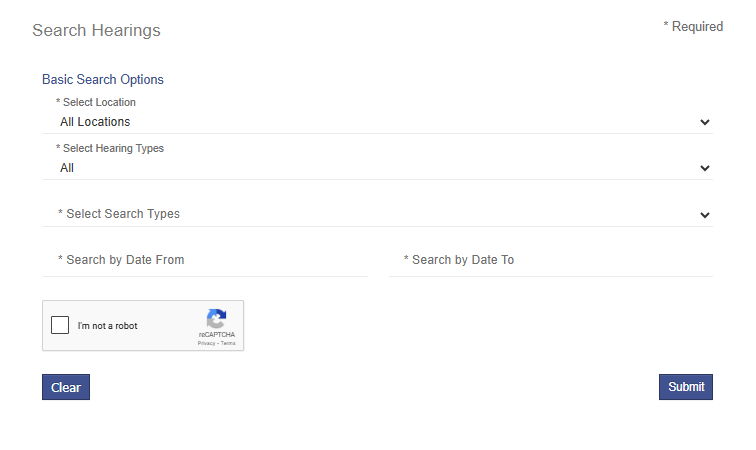
To perform a court docket search Contra Costa, the official public tools from the Superior Court of California, County of Contra Costa let users look up case activity and hearing schedules. You can search online by entering a case number or party name, or visit a clerk location in person if needed.
Official Court Online URL
The official Contra Costa Superior Court website provides electronic access to court case listings and hearing schedules. The main public site is: https://contracosta.courts.ca.gov/ The primary tool for doing a court docket search Contra Costa is the Court Public Portal. It shows entries for civil, small claims, probate, and related cases. This does not include detailed legal filings but does show scheduled hearings and actions.
Steps to Search the Court Public Portal
- Open the official site at https://contracosta.courts.ca.gov/
- Choose “Search Court Records & Hearings” or Court Public Portal from the menu.
- When the portal opens, enter either:
- Case number (most direct),
- Party name (last name first),
- Other criteria if available (e.g., filing year).
- Review the list of case entries. The portal displays docket entries, scheduled hearing dates, and office location.
- Click a case entry to see its timeline of events (docket entries). Note: official documents may not be downloadable from this portal.
Clerk Offices & Courthouse Postings
If online search results are incomplete or you need official confirmation, you can visit or contact clerk offices in Contra Costa County:
In-Person Options
- Visit the Court Records Unit at
725 Court Street, Martinez, CA 94553 (Wakefield Taylor Courthouse) - Hours: typically Monday–Friday, 8:00 AM–4:00 PM.
- Clerks can help with case lookup and point you to printed calendars or posted courtroom schedules.
- VALID ID is usually required to view files in person.
Phone Help
- Call (925) 608-1000 and ask for records or docket information relevant to a specific case.
Specialized Public Access
- Daily Court Calendars
The official site also lists daily and upcoming court calendars (civil and criminal) that reflect scheduled hearings. These can help with quick reference to dates by department or courtroom. - Traffic Case Search
For traffic case calendar and hearings, the court offers a separate traffic portal at https://cmsportal.cc-courts.org/ (search by citation or case number). (CMS Portal)
Why Third-Party Sites May Differ
Some third-party websites aggregate public case data and offer basic case lookup and docket access tools. These may vary because:
- They pull data less frequently than the official portal.
- They may simplify or reformat entries.
- They are not controlled by the court and may not reflect last-minute calendar changes. (LegalClarity)
Docket Updates, Changes, and Delays
Docket updates reflect real-time court activity and may shift as cases progress. Schedule changes and delays happen often, so listed hearing dates may move without much notice. Docket updates appear whenever a court Public records new case activity. Clerks enter filings, hearing settings, and calendar adjustments as they occur. This process keeps the docket current, though it also means entries may change more than once. Many readers notice updates after checking a case earlier the same day. That situation is common and reflects how active court calendars operate. A docket works as a live procedural log rather than a fixed notice. Each entry shows the most recent status at the time of posting. For that reason, users should view docket information as a snapshot that may shift as new actions occur. This approach explains why two searches on different days may show different results for the same case.
Why Docket Entries Change
Docket entries change when court staff record new actions. Judges issue orders, parties file motions, or clerks adjust calendars. Each action creates a new line in the docket. These updates keep the case record accurate. They also reflect how court schedules adapt to ongoing activity. Readers checking docket updates should focus on the most recent entry, since it shows the current direction of the case.
Common triggers for updates include:
- Filing of motions or responses
- Court orders entered after hearings
- New hearing dates placed on the calendar
- Removal of events no longer needed
Common Reasons Hearings Move
Rescheduled hearings occur for many practical reasons. Courts manage large caseloads, and schedules shift to balance time and resources. These court delays do not signal a problem with the case. They show routine calendar management. A moved hearing usually appears as a new docket entry with an updated date or time.
Frequent reasons for changes include:
- Judge availability
- Requests from one or more parties
- Pending filings that need review
- Court holidays or emergency closures
How Often Court Calendars Update
Calendar updates depend on clerk activity. Some changes appear the same day, others post later. High-volume courts may update entries several times a day. Online systems refresh after clerks submit entries, so timing may vary. A morning search may differ from an afternoon search. Users tracking schedule changes should check back often, especially close to a hearing date. This habit helps avoid confusion and supports better preparation when plans shift.
Types of Court Calendars in Contra Costa County
A Contra Costa court calendar shows when hearings take place across different case types. Each calendar follows its own schedule based on court division and case volume. The contra costa court calendar organizes hearings by case category and courtroom. Courts use separate calendars to manage time, judges, and staff. This system helps keep hearings orderly and predictable for parties and court personnel. Each calendar lists dates, times, departments, and hearing types. Readers checking a hearing calendar should always confirm the correct division since civil, criminal, and family matters follow different scheduling patterns.
Civil Court Calendars
Civil calendars cover disputes between parties, businesses, or agencies. These calendars include hearings related to contracts, property claims, personal injury cases, and similar matters. Civil calendars often schedule motions, case management conferences, and settlement discussions.
A typical daily court calendar for civil matters may show:
- Motion hearings
- Status or review conferences
- Trial readiness dates
Criminal Court Calendars
Criminal calendars handle cases involving alleged violations of law. These calendars tend to update frequently due to custody issues, plea hearings, and trial scheduling. Arraignments, pretrial hearings, and sentencing dates appear on these schedules. Criminal calendars move quickly. Judges often manage heavy caseloads, so hearing times may adjust during the day. A judge schedule in criminal court may list many short hearings set close together.
Family and Juvenile Court Calendars
Family and juvenile calendars focus on sensitive matters. These include divorce proceedings, custody disputes, child support hearings, and juvenile dependency cases. Privacy rules may limit the details shown on public calendars.
These calendars often show:
- Custody or visitation hearings
- Support modification dates
- Review hearings in juvenile matters
Probate and Traffic Calendars
Probate calendars cover estate administration, guardianships, and conservatorships. Hearings often involve document review and court approval. These calendars usually move at a slower pace compared to criminal court. Traffic calendars list citation hearings and compliance reviews. These calendars often group many cases into short time blocks. Each calendar type serves a distinct purpose. By knowing which contra costa court calendar applies, readers can check hearing dates with clearer expectations and better preparation.
How Hearing Dates Are Scheduled in Contra Costa County Courts
A hearing schedule forms through court procedures handled by clerks and judges. Dates may shift after filings, requests, or courtroom availability changes. A hearing schedule reflects how courts organize time for each case. The scheduling process follows set rules, yet flexibility remains part of daily court operations. People often want to know who selects dates and why court hearing dates move. This section explains that process in clear terms, using plain language and realistic expectations.
Who Sets Hearing Dates
Court clerks play a central role in setting initial dates. After a case filing or motion submission, clerks assign a hearing based on court calendars and case type. Each court division maintains its own calendar, which helps balance workload across departments. Judges may direct clerks to place certain matters on specific dates. Emergency motions or priority cases may receive earlier placement. Routine matters often follow preset timeframes. This approach helps courts manage volume and fairness across cases.
How Continuances Affect the Schedule
A continuance means a hearing moves to a later date. Parties may request continuances for preparation needs, filing delays, or availability conflicts. Judges review these requests and decide whether to grant them. Continuances reshape the hearing schedule and may affect other cases assigned to the same courtroom. This explains why calendars change even after dates appear online.
When a continuance is approved:
- The original hearing date is removed
- A new date appears on the calendar
- The docket reflects the updated entry
Role of Judges and Clerks
Judges control courtroom flow and final scheduling decisions. They manage trial length, motion hearings, and daily workload. Their role includes approving dates, moving matters, or setting priority hearings. Clerks handle the technical side. They enter court hearing dates, update dockets, and assign courtroom numbers. Clerks rely on judge instructions, filing timestamps, and calendar availability. A courtroom assignment appears once a date is set. This assignment may change if judges rotate or calendars shift. Updated details show on the docket after clerk entry.
Daily vs Weekly Court Calendars
A court schedule appears in two main formats: daily calendars and weekly calendars. Each format serves a different purpose and shows case timing at different stages. A court schedule helps courts manage hearings in an organized way. Daily and weekly calendars work together to show upcoming activity. People often see a case listed on a weekly calendar first, then later on a daily docket closer to the hearing date. Knowing how these calendars work reduces confusion and missed appearances.
When Court Calendars Are Posted
Weekly calendars usually appear several days in advance. Courts use them to outline upcoming hearings for each department. These calendars give an early view of expected courtroom activity. Posting times vary by division and workload. Daily calendars post closer to the hearing date, often the afternoon before or early the same morning. They reflect last-minute updates entered by clerks. For this reason, daily calendars tend to be more current than weekly lists. Checking both formats gives a clearer picture of timing.
Which Cases Appear on Daily Calendars
A daily docket shows hearings scheduled for a single court day. It lists cases confirmed to proceed, based on the latest entries. Cases may drop off if resolved, continued, or taken off calendar. New cases may appear if set on short notice. This explains why daily calendars sometimes look different from weekly hearing lists.
Daily calendars often include:
- Motion hearings
- Conferences and reviews
- Sentencing or trial matters
Weekly Hearing Lists and Their Purpose
A weekly hearing list groups cases planned for a full week. It helps courts manage staff and courtroom assignments. Parties often use it to anticipate upcoming dates, though details may change. Weekly calendars may not show final hearing times or room numbers. Those details often appear later on the daily calendar. Readers should treat weekly listings as planning tools rather than final schedules.
Public Calendars vs Internal Schedules
Public calendars show general case timing for transparency. Internal schedules include extra details used by judges and staff. Internal versions may track workload, time estimates, or case priority. Public versions remove sensitive details and focus on basic timing. By knowing this difference, readers can use court schedules with clearer expectations and better preparation.
How Attorneys and Parties Use Court Docket Information
A court docket shows how a case moves through scheduled steps. Attorneys and parties rely on it to follow dates, filings, and procedural timing. A court docket serves as a working reference for legal scheduling and case awareness. Attorneys review docket entries daily to keep cases on track. Parties use the same information to stay aware of upcoming hearings and recent activity. The docket lists events in date order, which supports clear case tracking from start to finish. Each entry reflects an action taken or a hearing placed on the calendar. This shared reference helps everyone involved stay aligned on timing.
How Attorneys Use Dockets in Daily Practice
Attorneys depend on docket entries for procedural planning. A missed date can affect a case, so lawyers monitor updates closely. They check dockets to confirm hearing dates, filing deadlines, and courtroom assignments.
Common attorney uses include:
- Verifying motion hearing dates
- Tracking filing activity by opposing parties
- Planning preparation timelines
- Coordinating appearances across multiple cases
How Parties Follow Their Own Cases
Parties often review dockets to stay informed without legal jargon. The docket shows when the next hearing takes place and what type of event is scheduled. This clarity reduces confusion and stress.
People involved in cases use dockets to:
- Confirm upcoming court dates
- See recent case activity
- Check if a hearing moved or was removed
Shared Value for Legal Scheduling
Both attorneys and parties rely on the same docket data, though they use it differently. Attorneys focus on strategy and timing. Parties focus on awareness and attendance. The docket supports both roles by showing a clear procedural timeline. By reflecting real courtroom practice, docket use demonstrates how legal scheduling works in daily court operations. This real-world reliance builds trust in docket information as a practical tool rather than abstract data.
Differences Between Docket, Calendar, and Case Records
A docket tracks case activity, a calendar shows scheduled hearings, and case records store filed documents. Each serves a different role within court operations. People often see these terms used together, which can cause confusion. Courts rely on separate tools to manage timing, paperwork, and case flow. Knowing how each one works helps readers interpret court information with clarity.
What a Docket Represents
A docket acts as a running activity log for a case. It lists events in date order as they occur. Each entry reflects an action taken, such as a filing, order, or hearing placement. The purpose of a docket is to show procedural movement. A docket answers the question: What has happened and what is set next? It does not include full documents or detailed explanations.
Key traits of a docket include:
- Short, factual entries
- Date-based order
- Frequent updates
What a Court Calendar Shows
A calendar focuses on timing rather than history. It displays hearings scheduled for a specific day or week. Courts use calendars to manage courtroom flow and judge availability.
Calendar listings usually show:
- Hearing date and time
- Assigned department or courtroom
- Case name or number
What Case Records Contain
Case records store the actual paperwork filed in a case. These records include motions, pleadings, orders, and judgments. Each document reflects formal submissions reviewed by the court. A record answers the question: What documents exist in this case?
Case records differ from dockets and calendars in several ways:
- Full document text rather than summaries
- Slower growth tied to filings
- Greater detail and legal substance
Side-by-Side Comparison
| Tool | Main Purpose | Level of Detail |
|---|---|---|
| Docket | Tracks case activity | Brief summaries |
| Calendar | Shows hearing timing | Date and location |
| Case Record | Stores filings | Full documents |
Important Limitations of Online Court Docket Information
Online court docket listings offer helpful scheduling insight, though they may lack full accuracy or completeness. Update timing and record scope can affect what users see at any moment. Online dockets support public visibility into court activity. At the same time, several limits affect reliability. Courts design these tools for general reference, not final confirmation. Readers who rely on docket listings should know how and why gaps occur.
Accuracy Limits in Online Dockets
Docket entries depend on clerk input. A clerk enters data after filings or court actions take place. That process introduces timing gaps. A hearing change may occur in court, then appear online later. Short entries may omit context. A docket line may list a motion or order without detail. Readers see that an event occurred, not what the event involved. For that reason, dockets show activity status rather than full case meaning. Clerical errors can happen. Misspellings, date corrections, or entry revisions appear from time to time. Courts fix these once identified, yet brief inaccuracies may appear during that window.
Update Delays and Timing Gaps
Update delays rank among the most common issues. Courts process high case volumes each day. Clerks prioritize in-court operations first, then data entry.
Timing varies by division and workload:
- Some updates appear the same day
- Others post the next business day
- High-volume courts may post later
Limits on Record Completeness
Online dockets do not show every detail. Sealed cases, restricted matters, and juvenile cases may show limited or no public entries. Privacy rules shape what appears online. Some systems exclude document images. Others list events without attachments. Full case files often remain available only through clerk offices. These limits protect privacy and court operations. They also explain why online listings may feel incomplete. By knowing these limits, readers can use docket information with realistic expectations. Online tools offer useful insight, paired with awareness that timing, accuracy, and completeness may vary.
Court Locations and How They Affect Docket Listings
Contra Costa County Court holds hearings at several fixed courthouses across the county, and each location runs its own calendars. Docket listings reflect the courthouse location where a case is scheduled, and moving a case between venues changes its listing. Contra Costa County Superior Court operates from multiple courthouses, each serving specific case types and regions. Knowing the actual location of a hearing or filing requirement helps users interpret venue schedules and find the right docket entries. Many online docket listings include the courthouse name and address so users can match schedules to a physical site.
Major Courthouse Locations in Contra Costa County
Each location maintains its own calendar for daily and weekly hearings. Dockets list the assigned courthouse and courtroom number. This detail shows where a hearing will occur and under which venue schedule to check for updates. Here are key courthouses where hearings and docket entries originate:
- Wakefield Taylor Courthouse – 725 Court Street, Martinez, CA 94553. Main location for civil, criminal, and probate cases.
- A.F. Bray Courthouse – 1020 Ward Street, Martinez, CA 94553. Often handles criminal and jury proceedings.
- Spinetta Family Law Center – 751 Pine Street, Martinez, CA 94553. Focuses on family law matters.
- George D. Carroll Courthouse – 100 37th Street, Richmond, CA 94805. Civil, small claims, criminal, and traffic matters.
- Richard E. Arnason Justice Center – 1000 Center Drive, Pittsburg, CA 94565. Civil, criminal, traffic, and jury cases.
- Walnut Creek Juvenile & Traffic Center – 640 Ygnacio Valley Road, Walnut Creek, CA 94596. Juvenile and traffic hearings.
Why Cases May Appear at Different Locations
Cases sometimes change location during the scheduling process. That can happen due to:
- Workload balance between judges and courtrooms
- Changes in case type (e.g., referral to family law or juvenile division)
- Judge rotation or courtroom availability issues
When a case moves, the court updates the docket to reflect the new courthouse and hearing department. Users tracking a case must watch for these changes in the docket listing, since the courtroom assignment and calendar will adjust accordingly. Understanding exact courthouse addresses and how calendars operate by location lets users interpret docket timing more clearly and avoid confusion about where hearings take place.
Frequently Asked Questions
This position works well for readers who scroll after reading detailed explanations and are looking for quick, direct answers. It supports late-stage search intent by addressing common follow-up questions at the right moment, which often keeps users on the page longer and encourages deeper engagement before they reach legal or informational notices.
What is the Contra Costa County court docket?
The Contra Costa County court docket is a public case activity list that shows hearings, filings, and procedural events in date order. The contra costa county court docket functions as a running case log maintained by the court. It records activity as it occurs, creating a clear timeline from filing through resolution. Each entry includes brief docket information, such as the date of an action, the event type, and scheduling details. Many readers use it to confirm upcoming hearings or review recent activity without reading full legal paperwork. A docket does not contain complete documents. Instead, it summarizes actions in short entries. This format helps users follow case movement quickly. The court docket meaning centers on tracking progress rather than explaining legal arguments. A case docket list may change often as new filings appear or hearings move. Readers should view it as a procedural snapshot that reflects the most recent court activity at the time of posting.
How can I check the Contra Costa court calendar for hearing dates?
Hearing dates appear on the Contra Costa court calendar through court-managed online listings and courthouse postings. The contra costa court calendar organizes hearings by date, department, and courthouse. Users typically check calendars online by entering a case number or party name through public-facing tools. Calendars display hearing dates, times, and courtroom assignments. A daily court calendar shows hearings scheduled for a single day, while weekly views outline upcoming activity. These tools support court schedule lookup without requiring in-person visits. Some users review courthouse bulletin boards for same-day updates. Calendar listings help confirm when a hearing is expected to take place. They do not replace mailed notices or clerk confirmation. For accurate timing, users often compare calendar listings with the most recent docket entry to confirm hearing placement.
Are Contra Costa County court hearing schedules updated daily?
Hearing schedules may update daily, though timing varies by court division and workload. A hearing schedule updates as clerks record new activity. Some courts refresh entries multiple times a day. Others update at set intervals based on staffing and volume. Docket updates reflect filings, orders, or calendar adjustments. Court calendar updates may appear later than in-court changes, especially on busy days. A morning search may differ from an afternoon search. This timing gap explains why users sometimes see changes after checking earlier. Daily updates remain common, though not guaranteed at a specific hour. Users tracking hearings should review schedules close to the hearing date. Frequent checks help catch last-minute schedule changes and reduce confusion.
Why do hearing dates change on court dockets?
Hearing dates change due to routine court management and case activity. Rescheduled hearings appear for many reasons. Judges may grant continuances after requests from parties. New filings may require review before a hearing proceeds. Court workload shifts also affect timing. Staff availability, courtroom use, or judicial rotation may lead to docket changes. These updates reflect normal court operations rather than case problems. When a change occurs, clerks update the docket to show the new date or remove the event. Users should focus on the most recent entry since it reflects the current plan. Changes happen often, especially in high-volume courts. This flexibility helps courts manage time fairly across cases.
Do all cases appear on the Contra Costa court docket?
Not all cases appear fully on public dockets due to privacy rules and access limits. Some matters show limited or no public entries. Confidential cases, juvenile matters, and sealed proceedings follow restricted access rules. These cases may appear without detail or not appear at all. Limited access dockets protect privacy and sensitive information. Even in public cases, some documents remain unavailable online. Dockets may list events without showing document text. These limits explain why users may not find certain cases through standard searches. Public docket tools balance transparency with legal privacy requirements. Missing entries do not mean a case does not exist. They reflect court rules on information display.
What is the difference between a court docket and a court calendar?
A docket tracks case activity over time, while a calendar lists scheduled hearings by date. The docket vs calendar difference lies in purpose. A docket shows a case timeline, listing actions as they occur. A calendar focuses on future scheduling. Docket entries summarize filings, orders, and hearing placements. Calendar listings show when and where hearings take place. A docket answers what has happened and what is set next. A calendar answers what is scheduled for a given day or week. Users often check both tools together. The docket provides context, while the calendar confirms timing. This comparison helps readers use each resource correctly without confusion.