contra costa county court operates as a key part of California’s county court system, handling trial-level matters that affect residents and local organizations. It applies state law through structured proceedings that cover civil, criminal, family, and probate cases. As part of the judicial branch of California, this court reflects how county-level courts in California deliver justice within defined legal authority. Judges review evidence, hear arguments, and issue lawful decisions based on statutes and prior case rulings. This role places the court at the center of everyday legal activity, since most cases in California begin and are resolved at the county court level.
The court system in Contra Costa County fits into a statewide judicial structure that promotes consistency and fairness across all California county courts. Trial courts like this one serve as the first forum for disputes, setting the factual record and applying procedural rules. Appeals courts later review selected decisions, which keeps legal standards aligned across counties. By explaining where the contra costa county court stands within this structure, this section supports clearer reading of court-related information. Readers gain context about how local courts function, why trial courts carry broad responsibility, and how county courts support the administration of justice across California.
Public Availability of Court Records in Contra Costa County
Many court records in Contra Costa County are open for public viewing, with limits placed on sensitive case types. Record availability depends on the case category, legal rules, and court privacy controls. Court systems aim to balance transparency with personal protection. This section explains which records are viewable, which remain restricted, and where users can search. Contra Costa County courts group records into public records and restricted records. Public records support transparency. Restricted records protect safety and privacy.
Common public records include:
- Civil case summaries
- Criminal case dockets
- Probate filings
- Final court decisions
Common restricted records include:
- Juvenile cases
- Adoption files
- Mental health proceedings
- Sealed or expunged matters
Factors That Affect Record Availability
Several elements decide whether a record remains open for public viewing. For example, most civil cases remain viewable after filing. Juvenile matters stay restricted at all stages.
Key factors include:
- Case type: Civil, criminal, family, or juvenile
- Case status: Open, closed, or sealed
- Privacy rules: State laws protecting minors and victims
- Judicial orders: Court rulings that limit visibility
About Contra Costa Court Records
Contra Costa court records are official documents created during court proceedings and maintained by the county court system. These judicial records show how cases move through different court divisions and preserve an accurate legal history. Contra Costa court records serve as a written trail of court activity. They help explain what happened in a case, who was involved, and how a matter reached its outcome. Public interest in these records remains high since they reflect court actions tied to real disputes and legal responsibilities.
What Court Records Are
Contra Costa court records refer to documented information produced during court cases. These records exist for civil, criminal, family, probate, and traffic matters. Courts create them as part of routine judicial operations. Each case file follows a standard structure. Clerks assign a case number, record party names, and log court activity as it occurs. Over time, these legal records build a complete timeline of the case. Many people review public court records for research, background checks, or general information about court activity.
Common forms of court case documentation include:
- Case filings and petitions
- Motions submitted by parties
- Court orders and judgments
- Hearing schedules and minute entries
- Verdicts and sentencing details
Why Courts Maintain Records
Courts maintain records to preserve accuracy and accountability. Written documentation supports consistent rulings and creates a reliable history of judicial decisions. Records also protect the rights of parties involved in court proceedings. Contra Costa courts rely on records to manage workloads across court divisions. Judges and clerks reference prior filings during hearings. Attorneys depend on accurate records during preparation. Members of the public rely on these records to confirm case status or outcomes tied to legal matters.
Key purposes of maintaining judicial records include:
- Tracking case progress from filing to resolution
- Supporting appeals and legal reviews
- Providing transparency for public court activity
- Preserving official proof of court actions
Difference Between Case Records and Administrative Records
Not all court records relate to individual cases. Contra Costa courts maintain two primary record categories: case records and administrative records. Each serves a different function within the court system. Case records focus on specific legal disputes. These records contain documents filed by parties, rulings by judges, and official case events. Examples include divorce filings, criminal charges, or probate petitions.
Administrative records relate to court operations rather than disputes. These records support internal management and public reporting. Examples may include:
- Court calendars and schedules
- Budget summaries
- Policy notices
- Staff assignments
How Contra Costa Court Records Support Public Use
Contra Costa court records play a role in legal transparency. Public court records allow people to review court actions without direct involvement in a case. Journalists, researchers, and residents often rely on these records for factual reference. Judicial records also support consistency across trial courts. Judges rely on accurate documentation to confirm prior rulings. Clerks use records to manage hearings and filings. This organized record system supports orderly court operations across Contra Costa courts.
Where Users Search for Court Records
Users search for court records through three main sources. Each source plays a different role. Some instructions or steps are given below that is quite helpful to access these records.
Official Contra Costa County Court Website
The primary source for official court information is: https://www.contracosta.courts.ca.gov
On this website, users can:
- Review court case categories
- Read public record policies
- Check clerk office details
- View courthouse locations and hours
Courthouse Clerk Office
If a record does not appear online, users may visit the courthouse.
At the clerk office, users:
- Request case details
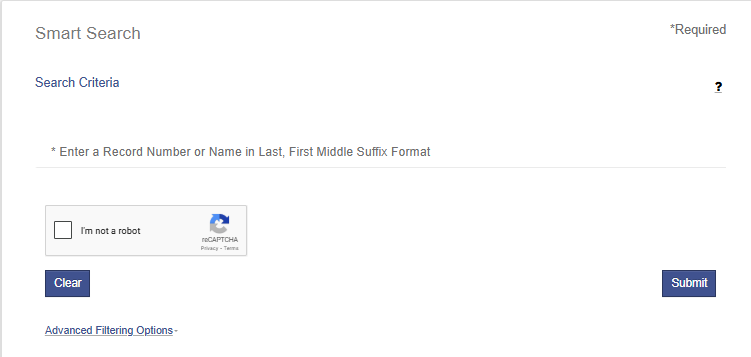
- Provide a case number or party name
- Ask about record viewing status
The clerk explains:
- What information is viewable
- Whether copies are available
- Any fees or processing time
Select Record Category
Users begin by choosing the type of court record they are looking for. This step helps the tool explain the correct viewing level. Each category includes a short description so users know which option fits their situation. This step reduces confusion before any search effort starts.
Record categories shown in the tool include:
- Civil cases such as disputes, claims, or lawsuits
- Criminal cases involving charges or court hearings
- Family law matters like custody or support
- Probate cases covering estates and wills
- Juvenile cases involving minors
Choose Case Status
After selecting a category, users choose the current status of the case. The tool explains how status affects record visibility. For example, a closed civil case often shows more public detail than an open family case.
Status options include:
- Open cases that are still active
- Closed cases with final rulings
- Sealed cases limited by court order
View Availability Results
Once selections are made, the tool displays a results panel. This panel explains what courts usually make viewable for that type of record. No names, files, or documents appear. The tool focuses on explaining visibility rules.
Possible results include:
- Public summaries showing case number, dates, and court actions
- Limited document details with restricted personal information
- Authorized-party viewing only for protected matters
Read Privacy Explanations
Each result includes privacy explanations written in simple language. These explanations help users know why limits exist. This step helps users set realistic expectations before searching official sources.
Topics covered include:
- Protection of minors
- Safety of victims and witnesses
- Legal reasons for sealed files
- Court orders that restrict viewing
Follow Official Search Direction
The final step guides users to the correct official search location. Clear instructions explain what information users may need, such as a case number or party name. This step connects education with real-world action.
Based on the result, the tool may direct users to:
- The official Contra Costa County Court website
- The appropriate courthouse clerk office
- Posted court policy pages
Types of Courts Within Contra Costa County
Contra Costa County operates several court divisions, each handling specific types of court cases. These trial courts help residents identify where civil, criminal, family, probate, and traffic matters are heard. Contra Costa courts are structured to manage different case categories efficiently. Each division serves a clear role, so people can match their legal issue with the correct court type. This structure supports fair case handling and organized court records across the county. Civil court divisions in Contra Costa County separate cases by dollar value. Limited civil cases usually involve lower claim amounts. Unlimited civil cases involve higher financial stakes or complex legal issues. Judges review evidence, hear arguments, and issue binding decisions based on state law.
Civil Courts
Civil courts handle disputes between parties where money, property, or rights are involved. These cases do not involve jail sentences. Instead, they focus on resolving conflicts through judgments or settlements.
Common types of court cases in civil courts include:
- Contract disputes
- Personal injury claims
- Property and real estate conflicts
- Small claims and limited civil cases
- Unlawful detainer and eviction matters
Criminal Courts
Criminal courts address cases where the state files charges against a person. These courts handle offenses that range from minor violations to serious felonies. These trial courts oversee arraignments, hearings, motions, trials, and sentencing. Prosecutors represent the public, and defense attorneys represent the accused. Criminal court divisions aim to protect public safety while following legal procedure set by California law.
Typical criminal case categories include:
- Infractions such as minor code violations
- Misdemeanors like petty theft or DUI
- Felonies such as assault or burglary
Family & Juvenile Courts
Family and juvenile courts focus on cases that involve households and minors. These court divisions address sensitive matters with privacy safeguards.Juvenile court serves minors involved in delinquency or dependency cases. Delinquency matters involve alleged law violations by minors. Dependency cases address child welfare concerns. Judges prioritize child safety and family stability during each proceeding.
Family court handles issues such as:
- Divorce and legal separation
- Child custody and visitation
- Child and spousal support
- Domestic violence restraining orders
Probate Courts
Probate courts manage legal matters related to estates and personal care decisions. These courts become active after a person passes away or when someone cannot manage personal affairs. Contra Costa County probate courts supervise asset distribution and financial responsibility. Judges confirm legal authority for executors, trustees, or conservators. Court oversight helps protect heirs, beneficiaries, and vulnerable adults.
Probate case categories often include:
- Estate administration and wills
- Trust disputes
- Conservatorships
- Guardianships
Traffic Courts
Traffic courts handle vehicle-related violations and local ordinance cases. These courts process a high volume of filings every year. Many traffic matters resolve through fines or traffic school options. Serious violations may require court appearances. Traffic court divisions help keep road safety standards enforced across Contra Costa County.
Common traffic court cases include:
- Speeding and moving violations
- Red light and stop sign citations
- Driving without valid documents
- Parking disputes
How Court Divisions Support Case Clarity
Court divisions in Contra Costa County exist to reduce confusion and delays. Each trial court focuses on specific legal issues, case procedures, and record systems. This structure helps residents, attorneys, and researchers identify the correct court type faster. People searching court records or case status benefit from knowing these divisions. Clear court categories support better case tracking, public record searches, and legal research across Contra Costa courts.
Court Documents Types & Uses
Court documents are official papers created or filed during legal proceedings. These records show what actions parties take, how courts respond, and how a case progresses over time. Court documents form the backbone of court activity. Each piece of legal paperwork serves a defined role within the judicial process. Reviewing this court documents helps readers see how filings support fair case handling and organized court records.
Common Court Documents
Courts rely on many types of legal paperwork to manage cases. Each document records a specific step or request made during a proceeding. Each filing enters the official case file once accepted by the clerk. Together, these documents create a detailed record of court activity. This structure helps judges and parties follow case progress with clarity.
Common legal filings include:
- Complaints and petitions that start a case
- Summons that notify parties of court action
- Motions requesting court decisions
- Responses and answers submitted by opposing parties
- Court orders and judgments issued by judges
- Minute orders summarizing hearing activity
Why Documents Matter in Court Proceedings
Court documents matter since they preserve accuracy and accountability. Every request, ruling, or deadline appears in writing. This written trail supports consistent decisions across court divisions. At the same time, documents allow parties to prepare properly for hearings. Attorneys review filings to build arguments. Judges review documents to issue informed rulings. Public records users rely on court documents to verify case activity tied to legal matters.
Legal paperwork helps courts:
- Confirm facts and arguments presented by parties
- Track deadlines and procedural steps
- Support appeals and legal reviews
- Protect rights through official documentation
How Documents Move Through the Court System
The judicial paperwork lifecycle follows a predictable path. Each document moves through review, filing, and storage stages within the court system. Once filed, documents become part of the permanent case record. Clerks manage these records using standardized systems. Judges reference filings during hearings and rulings. Over time, this process builds a complete and reliable case history.
A typical document flow includes:
- Preparation by a party or attorney
- Submission to the court clerk
- Review for format and filing rules
- Entry into the court record system
- Distribution to judges and parties
How Court Documents Support Record Organization
Court documents support efficient case management. Clear filings reduce delays and confusion. Standard formats help clerks process paperwork quickly and accurately. A structured court documents overview benefits researchers, legal professionals, and the public. Legal paperwork reflects how courts function on a daily basis. This organized system strengthens trust in judicial records and supports consistent case handling across trial courts.
Judicial Process in Contra Costa County Courts
The judicial process in Contra Costa County courts follows a structured sequence from case filing to final decision. County court procedures apply consistent steps so cases move forward in an organized and lawful way. This steps applies across civil, criminal, family, probate, and traffic courts. Each phase serves a clear purpose and supports accurate court records, fair hearings, and lawful outcomes. Readers benefit from seeing how court cases progress from start to finish.
How Cases Generally Begin
The judicial process starts when a case is formally filed with the court. A party submits legal paperwork to the court clerk, who reviews it for filing rules and assigns a case number. Once filed, the court issues notices or summons to involved parties. These notices set deadlines and explain next steps. This early stage creates the official case record and places the matter on the court calendar.
Most cases begin through one of the following actions:
- A complaint or petition filed by a party
- Criminal charges submitted by prosecutors
- Requests related to family, probate, or traffic matters
Court Hearings and Decisions
After filing, cases move through scheduled hearings. Hearings allow judges to review arguments, examine documents, and ask questions. Some cases resolve quickly, and others continue through multiple hearings. Judges issue decisions based on evidence, filings, and applicable law. Decisions may appear as written orders, minute entries, or final judgments. Each ruling becomes part of the official court record and shapes how the case proceeds next.
Common hearing stages include:
- Initial appearances or arraignments
- Pretrial conferences and motions
- Settlement discussions
- Trials or evidentiary hearings
Role of Judges and Court Staff
Judges guide the judicial process by applying the law and managing courtrooms. They oversee hearings, rule on motions, and issue decisions. Judges maintain order and confirm that procedures follow legal standards. Court staff support county court procedures behind the scenes. Clerks manage filings, update case records, and schedule hearings. Bailiffs support courtroom security and order. Court reporters document spoken testimony and rulings. Each role supports smooth case flow and reliable records.
How Court Cases Progress Over Time
Court cases progress through defined stages rather than random steps. This structured movement supports fairness and consistency across court divisions.
A simplified process flow looks like this:
- Case filing and record creation
- Notice delivery to involved parties
- Hearings and motion review
- Judicial decision or judgment
- Case closure or appeal phase
Role of Clerks, Judges, and Court Administration
Clerks, judges, and court administration keep Contra Costa County courts operating in an orderly way. Each role supports case flow, record accuracy, and lawful decision-making. Court operations depend on coordinated effort across staff roles. Court administration, clerk offices, and judicial officers each carry defined duties that support daily court activity and long-term record reliability.
Clerk Responsibilities
Clerk offices serve as the primary record-handling units within the courts. Clerks manage case intake, document filing, and scheduling tasks across court divisions. Their work supports accurate court records from start to finish.
Key clerk responsibilities include:
- Accepting and reviewing legal filings
- Assigning case numbers and court dates
- Updating case status and minute entries
- Managing public court records requests
- Maintaining official case files
Administrative Court Functions
Court administration oversees internal operations that allow courts to function smoothly. These administrative court functions focus on logistics, staffing, and system management rather than case decisions.
Administrative duties often include:
- Managing court calendars and courtroom assignments
- Coordinating staff schedules and resources
- Overseeing record systems and technology platforms
- Handling policy implementation and reporting
Judicial Officers and Their Role
Judicial officers include judges and commissioners assigned to court divisions. These officers preside over hearings, review filings, and issue rulings. Their role centers on applying the law and managing courtroom proceedings.
Judicial officers handle tasks such as:
- Conducting hearings and trials
- Reviewing motions and evidence
- Issuing court orders and judgments
- Managing courtroom procedure and decorum
How Court Staff Support the Judicial Process
Court staff work together at each stage of the judicial process. Clerks manage records. Administration supports operations. Judicial officers issue decisions. Each role supports the others through shared procedures and communication. This teamwork supports public trust in court activity. Clear roles reduce delays and record errors. Court administration and staff structure help Contra Costa County courts maintain consistent procedures across all trial courts.
Difference Between Official Court Sources & Informational Websites
Official court sources publish government-issued court information, records, and procedures. Informational websites present court-related content for educational and reference purposes without acting as a government authority. Clear separation between these sources builds trust and transparency. Readers benefit from knowing where information originates and how it should be used. This clarity supports informed decisions when reviewing court-related material.
What Counts as an Official Government Source
An official government source connects directly to a court or public agency. These sources publish content created or approved by court authorities. They reflect current court operations, filings, and procedural rules. Official sources maintain authoritative legal records. Courts rely on these platforms to share schedules, filings, and verified updates. Content from official sources carries legal weight and reflects active court operations.
Examples of official sources include:
- County or state court websites
- Clerk office portals
- Published court rules and notices
- Direct court record systems
Purpose of Third-Party Informational Court Websites
Informational websites serve an educational role. These platforms explain court topics, procedures, and record types in plain language. Their focus centers on clarity rather than official action. These sites do not file cases, issue rulings, or publish certified records. Their informational purpose helps users learn about courts before or after visiting official sources.
Common goals of informational court websites include:
- Explaining court processes and terminology
- Organizing public information for easier reading
- Supporting research and general awareness
- Summarizing court-related topics for reference
Encouraging Users to Verify Information
Verification strengthens trust when reviewing court information. Informational websites often encourage users to confirm details through official sources. This practice supports accuracy and responsible use of court-related content.
Helpful verification steps include:
- Checking official court websites for updates
- Confirming case status through clerk offices
- Reviewing published court notices
- Cross-checking dates, filings, and procedures
Contra Costa Courts in California Structure and Authority
Contra Costa courts in California operate as part of the state Superior Court system. These courts handle county-level trial matters under authority granted by the California judiciary. Courts operating within Contra Costa County form a key part of California’s trial court network. Their role focuses on resolving local legal matters while following statewide judicial standards. This structure helps connect county courts with the larger state court system.
Relationship With California Superior Courts
Contra Costa judicial courts function as a branch of the California Superior Court system. California assigns one Superior Court to each county, and Contra Costa County follows this model. This setup places all major trial-level cases under one unified court structure. Judges within Contra Costa courts receive appointments or elections under state rules. Court rules, procedures, and forms align with statewide judicial standards. This shared framework helps keep trial court operations consistent across California counties.
The Superior Court system manages:
- Civil and criminal trials
- Family and juvenile matters
- Probate proceedings
- Traffic and local ordinance cases
Position Within the State Judicial Hierarchy
Contra Costa courts sit at the trial court level of the state judiciary. Trial courts handle fact-finding, hearings, and evidence review. Higher courts review decisions rather than conduct trials.
California’s judicial hierarchy includes:
- Superior Courts at the county level
- Courts of Appeal at the regional level
- The California Supreme Court at the top
Jurisdiction Scope and County-Level Authority
Courts operating within Contra Costa County hold authority over cases that arise inside county boundaries. This jurisdiction covers residents, businesses, and events connected to the county. This jurisdiction keeps cases close to the community involved. Local courts hear testimony, review evidence, and issue judgments based on California law. Judges apply state statutes within the context of county facts and filings.
County-level authority includes:
- Disputes involving local parties or property
- Criminal cases filed within the county
- Family and probate matters tied to county residents
- Traffic violations issued inside county limits
How Contra Costa Courts Support Statewide Justice
Contra Costa judicial courts support the broader state judiciary through consistent trial court operations. Standard procedures help maintain fairness across counties. Shared reporting systems help track case data and court activity. Court coordination allows the state to manage workloads and uphold legal standards. County courts handle daily legal disputes. Appellate courts review legal interpretation. This balance supports reliable court function across California.
Locations & Functions
The main official courthouse for Contra Costa County is located in Martinez, California. This courthouse handles a wide range of trial-level court matters and supports core court services. The Superior Court of California, County of Contra Costa operates through multiple facilities, with one primary central courthouse serving countywide functions.
Official Courthouse Location
Wakefield Taylor Courthouse (Martinez Superior Court)
725 Court Street, Martinez, CA 94553, United States
This courthouse stands as a central court facility for Contra Costa County. Many county-level trial matters are processed at this location. It serves as a key hub for judicial and administrative court activity.
Functions Handled at This Courthouse
The Martinez courthouse manages several major court divisions. Judges, clerk offices, and court staff work together at this facility to support daily court operations. Courtrooms host hearings and trials on scheduled dates. Clerk offices manage case intake, document filing, and official court records. Public service counters assist visitors with basic court-related requests.
Primary functions include:
- Civil court hearings and case management
- Criminal trials and arraignments
- Probate matters, including estates and trusts
- Clerk office services, such as filings and record requests
- Judicial administration and courtroom scheduling
Frequently Asked Questions
Contra Costa County Court functions as the county’s trial court within California’s judicial system. Many common questions focus on court authority, public records, and how cases move through the court system. These expanded answers address People Also Ask–style queries in clear language. Each response adds context so readers gain confidence about court structure, records, and procedures.
What Is the Contra Costa County Court?
Contra Costa County Court refers to the Superior Court of California, County of Contra Costa. It holds trial-level authority for legal matters that originate within the county. This court reviews evidence, hears testimony, and issues rulings in line with California law. It operates through multiple court divisions, each focused on specific case categories. Judges assigned to these courts handle matters that affect residents, businesses, and local government activity. The court’s role centers on resolving disputes and enforcing legal responsibility at the county level.
Are Contra Costa County Court Records Public?
Many Contra Costa court records qualify as public court records, supporting transparency and allowing people to review court activity tied to filed cases. Commonly available records include case indexes and summaries, filed motions and court orders, hearing dates, and court calendars, which help individuals track case progress and understand court proceedings. Access to these records allows citizens, researchers, and legal professionals to stay informed about legal matters and verify case outcomes. Public records also encourage accountability within the judicial system, ensuring that legal decisions are visible and documented. While most records are available, certain sensitive information, such as juvenile cases or sealed documents, may remain restricted to protect privacy. People can typically request records online, via email, or in person at the clerk’s office, depending on the court’s access rules.
How Does the County Court System Work?
The county court system follows a structured process that applies across court divisions to ensure orderly case handling. Clerk offices manage filings and schedules, judges preside over hearings and issue decisions, and court staff support record accuracy and courtroom operations. A typical case process includes the filing of legal paperwork, creation of an official case file, court hearings or conferences, judicial review and rulings, and a final judgment or appeal stage. Each step in the process is carefully documented to maintain a clear record of proceedings, which can later be referenced for appeals or legal reviews. Court procedures are designed to provide fairness to all parties, including plaintiffs, defendants, and attorneys. Additionally, courts may offer online tools and portals to track case progress, pay fines, or schedule hearings, making the judicial process more accessible to the public. Understanding how the court system operates helps individuals better navigate legal challenges and comply with court requirements.
What Types of Cases Do Contra Costa Courts Handle?
Contra Costa judicial courts manage a wide range of legal matters, with each court division focusing on specific case types to keep proceedings organized. Major case categories include civil disputes involving money or property, criminal cases filed by prosecutors, family law and juvenile matters, probate, guardianship, and conservatorship cases, as well as traffic and local ordinance violations. Civil cases can involve contract disputes, personal injury claims, or property disagreements, while criminal cases range from misdemeanors to serious felonies. Family law courts handle issues such as divorce, child custody, and support, and probate courts manage wills, estates, and guardianship appointments. Traffic and municipal violations are also resolved in these courts, often requiring fines or corrective actions. By dividing cases into specialized courts, Contra Costa ensures efficient handling and fair consideration for all legal matters. Each division follows specific procedures tailored to the type of case, which helps reduce delays and improve the accuracy of judicial outcomes.
Where Are Contra Costa County Courts Located?
Courts operating within Contra Costa County run from several courthouse locations, with each facility supporting certain divisions and public services. Case type and court assignment usually determine the correct courthouse location. People visit courthouse locations to attend hearings or trials, file legal paperwork at clerk offices, request copies of court records, and pay court-related fees or fines. Each courthouse is staffed with clerks, security personnel, and court officers to assist visitors and maintain safety. Many courthouses provide public access terminals or online kiosks to search for case information or check schedules. Locations are strategically distributed across the county to accommodate residents from different regions and reduce travel burdens. Clear signage, maps, and information desks further help the public navigate these facilities efficiently.
Why Do People Search About Contra Costa County Court Online?
Many people search for court information to confirm case status, filing steps, or record availability. Others research court structure for general knowledge or background checks. Informational websites explain court topics in plain language. Official court sources confirm filings, schedules, and legal status. Using both helps readers stay informed while relying on verified court authority.